What Actually Affects Memory, Beyond Any Single Supplement
Sleep quality, chronic stress, hydration and physical activity all shape memory and focus more directly than most people expect, often more than any single supplement can.
Understanding that fuller picture helps set realistic expectations for what nutritional support can and cannot do on its own.
Sleep is the biggest lever, by a wide margin
Memory consolidation happens substantially during sleep. Even one night of inadequate sleep measurably impairs memory formation and recall in research, effects that are larger than what most cognitive supplements claim to produce.
Chronic stress and elevated cortisol
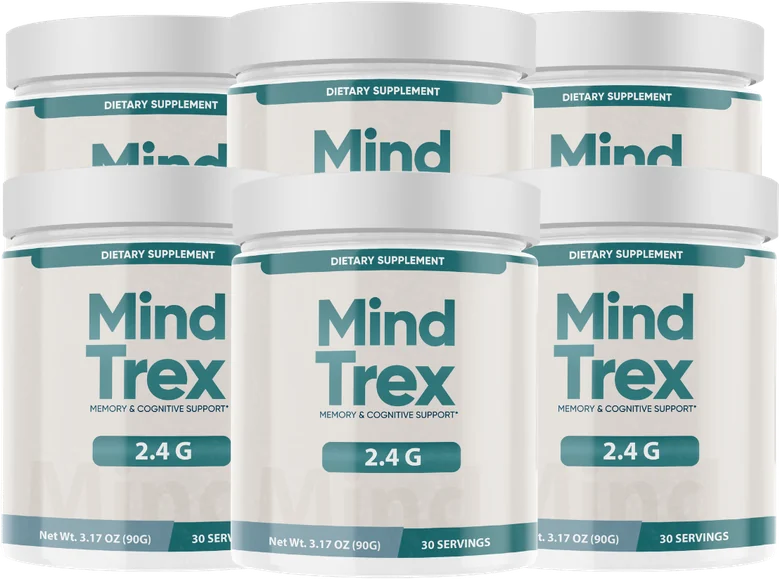
Ongoing stress keeps cortisol elevated, associated with impaired memory consolidation and reduced ability to sustain attention. This is part of why some cognitive formulas, including MindTrex, include an adaptogenic ingredient specifically for stress resilience.
Hydration matters more than most people account for
Even mild dehydration is associated with measurable declines in concentration and short-term memory in research.
Physical activity
Regular movement is associated with better memory and cognitive performance across multiple domains in research, plausibly through improved circulation and mood regulation.
Active engagement and learning
Actively using memory — learning new skills, reading, engaging in novel activities — is associated with better memory function over time than passive activities.
Where nutritional support realistically fits
Applying this to MindTrex
Formulas like MindTrex are designed to supply nutrients relevant to neurotransmitter activity and connectivity, genuinely useful additions layered on top of the habits above — not a shortcut around them.