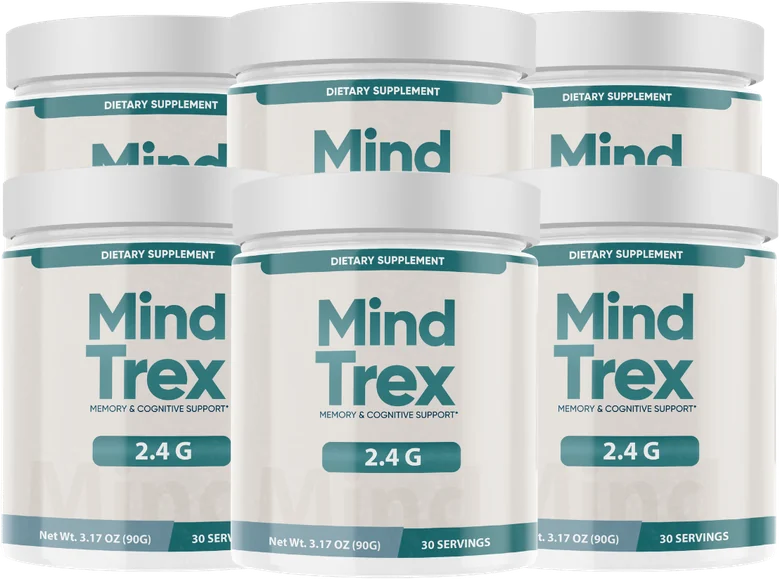
How Does MindTrex Work?
MindTrex works across three connected pathways: neurotransmitter activity, neural connectivity, and nerve maintenance with stress-resilient focus.
Magnesium L-Threonate and Lion's Mane Mushroom have the most specifically studied roles here, chosen for their association with connectivity and nerve health.
Three pathways, not one
Everyday cognitive function is not governed by a single switch, so MindTrex does not target one. The formula is built around six supporting roles that map onto three broader pathways.
1. Neurotransmitter activity
Citicoline and Alpha-GPC both relate to acetylcholine, a neurotransmitter central to memory and learning processes. Citicoline additionally contributes to the phospholipids that make up brain cell membranes. See our full piece on Citicoline and brain cells.
2. Neural connectivity
Magnesium L-Threonate is a specific magnesium compound studied for its association with synaptic density — how densely neurons connect to one another — distinct from standard magnesium forms used for general mineral support. Research is indexed on PubMed.
3. Nerve maintenance and stress-resilient focus
Lion's Mane Mushroom relates to nerve growth factor activity, relevant to maintaining healthy neural structure over time. See our full piece on Lion's Mane and nerve growth. Rhodiola Rosea and L-Tyrosine both support mental performance under demanding conditions, without a stimulant mechanism. See our full piece on Rhodiola and mental fatigue.
What this realistically means
Support is the operative word throughout. MindTrex supplies nutritional inputs relevant to neurotransmitter activity, connectivity and nerve maintenance; it does not override poor sleep or diet, and it does not treat any diagnosed cognitive condition. The sensible expectation is gradual support over several weeks of consistent use. See the full ingredient list and what it is designed to support.